
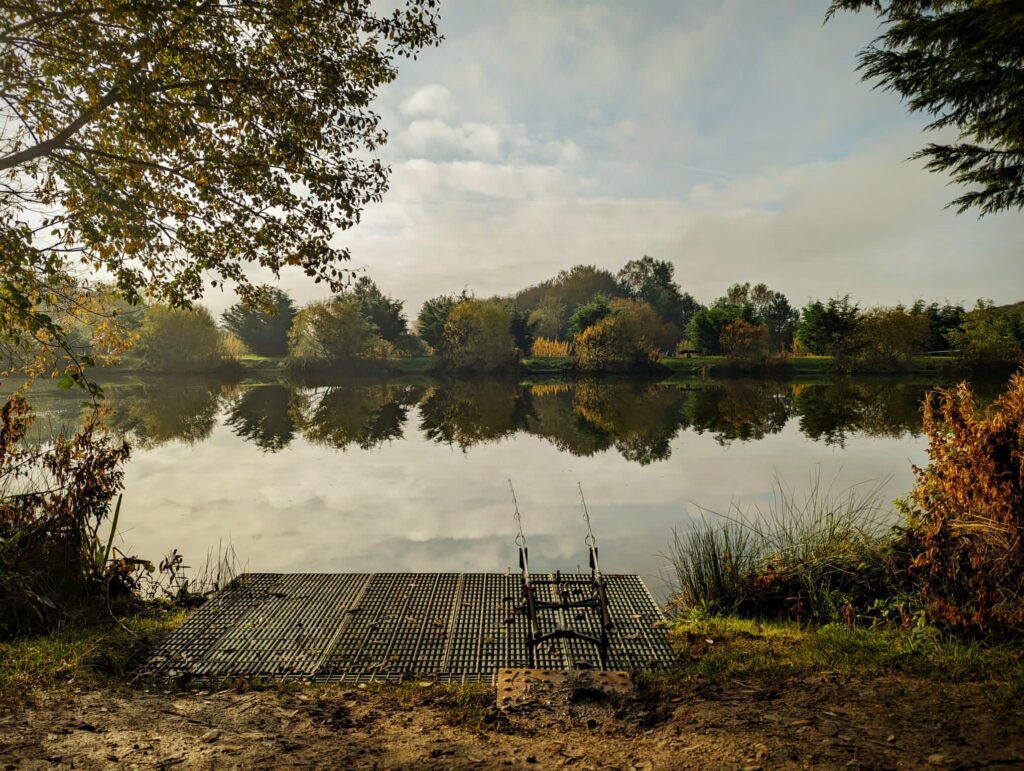
Carp fishing isn’t just about skill and technique—it’s also about respecting the water, the fish, and your fellow anglers. Whether you’re a seasoned veteran or new to the world of carp angling, understanding the unwritten rules of etiquette will help ensure a positive experience for everyone at the lake. In this post, we’ll highlight the key pieces of etiquette that every carp angler should follow.
1. Respect Boundaries: Avoid Casting into Someone Else’s Water
One of the most important rules of carp fishing is to respect other anglers’ space. Every swim has its own water, and it’s bad etiquette to cast into areas that are clearly in someone else’s territory. Always be mindful of your casting range and avoid tangling lines with the angler next to you.
If you’re unsure where the boundaries lie, it’s always best to ask your neighbour before setting up. A little communication goes a long way in avoiding unnecessary conflict.
2. Don’t Fish Directly Opposite Another Angler
On narrow lakes, fishing directly opposite someone can lead to complications and create tension. If there are other swims available, try to position yourself where you won’t be fishing head-to-head with another angler. This ensures everyone has enough space to fish comfortably and reduces the chances of lines crossing.
However, if the lake is wide enough, this may not be an issue. Use common sense and consider the size of the water when choosing your swim.
3. Keep Quiet on the Bank: Don’t Disturb the Peace
Carp fishing is often about patience, and a quiet, calm environment is key to success. Excessive noise can spook fish and ruin the experience for others. Whether you’re setting up your gear, chatting with fellow anglers, or even packing up to leave, be mindful of the noise you’re making.
This also extends to keeping bite alarms at a reasonable volume. There’s nothing worse than a constant high-pitched screech disturbing the peacefulness of the lake. Keep them low and only turn up the volume when absolutely necessary.
4. Turn Off Bite Alarms Before Adjusting Rods or Lines
While we’re on the subject of bite alarms, make sure to turn them off before adjusting your rods or lines. Nobody wants to hear a long series of false alarms when you’re simply repositioning or tightening up. It’s a simple habit to get into and helps maintain the tranquility of the bank.
5. Respect the Privacy of Other Anglers
While fishing is a social sport, it’s important to respect other anglers’ privacy, especially when it comes to asking for information. Constantly prying about what rigs, bait, or tactics they’re using can be intrusive. Some anglers are happy to share, while others prefer to keep things to themselves—both approaches should be respected.
If someone offers advice or shares their knowledge, that’s great! But avoid pressing for details or asking too many questions unless they are willing to talk about their methods.
6. Don’t Dump Leftover Bait into the Margins
At the end of a session, you might be tempted to get rid of any leftover bait by dumping it into the margins. This might seem harmless, but it can have a negative impact on the water quality and fish behavior. Excessive bait left in the water can lead to overfeeding, which affects future fishing conditions for everyone.
Instead, take any leftover bait home or dispose of it responsibly away from the lake.
7. Leave the Swim Tidy: No Littering
This one’s a no-brainer, but it’s worth repeating—always leave your swim tidy. Littering isn’t just bad for the environment; it’s also incredibly disrespectful to both the fishery and other anglers. Make sure you pack up all your gear and dispose of any rubbish properly before leaving.
Carp fishing often involves long, multi-day sessions, but no matter how much gear you bring, ensure everything is taken away with you. Leaving a clean swim behind means the next angler can enjoy their session in a pristine environment.
Carp angling is as much about the environment and the camaraderie as it is about catching fish. By following these essential pieces of etiquette, you’ll not only improve your own experience but also help maintain the peace and enjoyment of the lake for everyone. A little courtesy and respect go a long way in the world of carp fishing.
What other pieces of etiquette do you think are important? Share your thoughts in the comments below!